



Benefits of Installing Underground Rainwater Tanks in Melbourne

Melbourne homeowners are increasingly turning to as a clever solution to these challenges. With our city's unpredictable weather patterns and growing focus on sustainable living, it makes perfect sense to harvest the rain that would otherwise disappear down the drain. Plus, hiding your tank beneath the ground means you don't sacrifice any of your valuable outdoor space.
You will discover everything you need to know about underground rainwater tanks in Melbourne. We'll explore how these systems work, break down the costs involved, and help you figure out whether this investment is right for your property. Whether you're building a new home or looking to upgrade your existing setup, you'll find practical advice to help you make an informed decision. Let's get stuck into it!
What Is an Underground Rainwater Tanks?
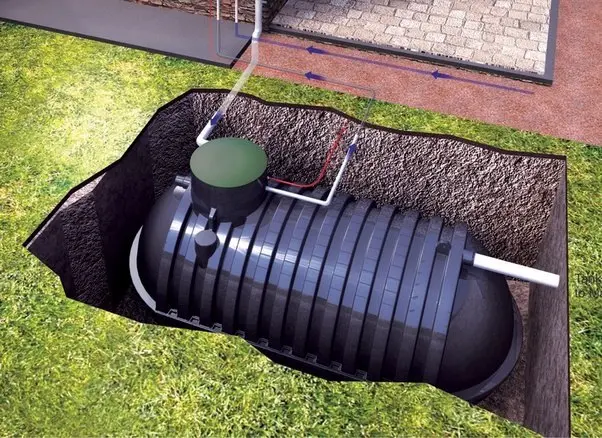
An underground rainwater tanks is exactly what it sounds like a large storage container buried beneath your property that collects and stores rainwater from your roof. These tanks connect to your downpipes and gutters, capturing rain before it's lost to stormwater drains.
How Do Underground Rainwater Tanks Work?
The system is surprisingly straightforward. Rain falls on your roof, flows into your gutters, and travels down through connected pipes into your buried tank. A first-flush diverter removes the initial dirty water containing leaves and debris. From there, a pump brings the stored water back up when you need it for toilets, laundry, or garden irrigation.
Types of Underground Rainwater Tanks Available in Australia
You've got several material options to choose from. Polyethylene (plastic) tanks are lightweight and affordable. Concrete tanks are incredibly durable and naturally keep water cool. Fibreglass options offer excellent longevity and resistance to corrosion. Each material has its own strengths, so your choice depends on your budget, soil conditions, and long-term plans.
Top Benefits of Installing Underground Rainwater Tanks
Maximising Your Outdoor Space
Let's be honest Melbourne blocks aren't getting any bigger. Underground rainwater tanks free up valuable real estate in your backyard. That space you'd lose to an above-ground tank? It becomes a lawn, patio, or kids' play area instead. You literally get your cake and eat it too.
Protecting Your Investment from Weather Extremes
Melbourne's weather can be brutal on outdoor equipment. Underground rainwater tanks stay protected from UV damage, extreme heat, and frost. This means no cracking, no algae growth from sunlight exposure, and no temperature fluctuations affecting your water quality.
Maintaining Your Property's Aesthetic Appeal
Nobody wants an enormous plastic cylinder dominating their garden view. With an underground rainwater tanks installation, your property maintains its visual appeal. There's nothing to paint, nothing to screen off, and nothing to explain to the neighbours. The tank simply disappears.
Long-Term Durability and Lifespan
Because they're shielded from the elements, underground rainwater tanks typically outlast their above-ground counterparts. Quality installations can last 20-30 years or more with proper maintenance. That's decades of reliable water storage without replacement hassles.
What Size Underground Rainwater Tanks Do I Need for My Property?
Calculating Your Household Water Usage
Start by understanding how you'll use the water. A family of four using rainwater for toilets and laundry typically needs around 50,000-70,000 litres annually. If you're adding garden irrigation, bump that figure up accordingly. Your local tank supplier can help you crunch these numbers.
Matching Tank Size to Roof Catchment Area
Your roof size determines how much water you can actually collect. There's no point installing a massive tank if your roof can't fill it. As a rough guide, multiply your roof's square meterage by your area's annual rainfall (in metres) to estimate your collection potential.
Underground vs Above Ground Rainwater Tanks: Which Is Better?
Space Considerations for Melbourne Properties
For smaller Melbourne blocks, underground rainwater tanks are often the only practical option. They don't eat into your setback requirements or reduce usable yard space. Above-ground tanks need dedicated areas and may require screening to meet council guidelines.
Maintenance Requirements Compared
Above-ground tanks are easier to inspect and clean since you can physically access them. Underground rainwater tanks require pump-out cleaning every few years and professional inspections. However, they need less frequent attention overall because they're protected from environmental stressors.
Cost Comparison Over Time
While underground tanks cost more initially, they often prove more economical over their lifespan. No UV degradation means no premature replacement. No visible presence means no impact on property aesthetics or resale value. Think long-term, and the numbers start making more sense.
What Are the Disadvantages of Underground Rainwater Tanks?
Installation Complexity
You can't DIY an underground rainwater tanks installation. It requires professional excavation, proper bedding, and careful backfilling. The process is more disruptive to your property and takes longer than simply plonking a tank in your backyard.
Access for Maintenance and Repairs
When something goes wrong underground, it's harder to fix. Pump failures or leaks require more effort to diagnose and repair. You'll need professional help for most maintenance tasks, adding to ongoing costs.
Soil and Site Requirements
Not every property suits underground rainwater tanks installation. High water tables, rocky soil, or proximity to foundations and utilities can create complications. A site assessment is essential before committing to this option.
How Long Do Underground Rainwater Tanks Last?
Material Options and Their Lifespans
Concrete tanks can last 50 years or more with proper care. Quality polyethylene tanks typically last 20-25 years. Fibreglass options sit somewhere in between. Your choice of material significantly impacts how long your investment serves you.
Tips for Extending Your Tank's Life
Regular maintenance is key. Have your tank professionally cleaned every 2-3 years. Keep gutters clear of debris. Inspect pumps and filters annually. Address any issues promptly before they become expensive problems.
Using Rainwater in Your Melbourne Home
Can You Connect Rainwater Tanks to Toilets and Laundry?
Absolutely! This is actually the most common setup. Connecting your tank to toilets and washing machines maximises your water savings without requiring treatment for drinking. You'll need a plumber to install the connections and ensure proper backflow prevention.
Garden Irrigation and Outdoor Use
Rainwater is perfect for gardens plants actually prefer it over treated mains water. Set up an irrigation system connected to your tank, and your garden stays healthy even during water restrictions.
Is Rainwater Safe for Drinking?
With proper filtration and UV treatment, rainwater can be made safe for drinking. However, most Melbourne homeowners use rainwater for non-potable purposes and stick with mains water for drinking and cooking. It's simpler and avoids the need for additional treatment equipment.
Environmental Benefits of Rainwater Harvesting
Reducing Stormwater Runoff
Every litre you capture is a litre that doesn't rush into drains, picking up pollutants and overwhelming our waterways. Rainwater tanks help reduce flooding, erosion, and pollution in Melbourne's creeks and bays.
Easing Pressure on Melbourne's Water Supply
Melbourne's dams have faced serious pressure during drought years. By using harvested rainwater, you're reducing demand on these communal resources. It's a small act that makes a real difference when thousands of households participate.
Conclusion
Installing an underground rainwater tanks is one of the smartest decisions Melbourne homeowners can make. You'll save money on water bills, protect your outdoor space, and contribute to a more sustainable city. The upfront investment pays dividends for decades through reduced utility costs and increased property value.



Comments