



Best Practices for Access Control Systems Without Geographic Limitations

Ever wondered how businesses manage security across multiple sites scattered across Australia? What if you could monitor and control every entry point from your smartphone, whether you're in Sydney, Perth, or sipping coffee at a beachside café? And here's the real question—are traditional lock-and-key systems actually holding your business back?
In 2024, location-independent access control has become essential for businesses looking to stay competitive and secure. Gone are the days when you needed to be physically present to manage who enters your premises. Cloud-based systems now let you oversee everything remotely, making geographic limitations a thing of the past.
This article explores the best practices for implementing access control systems that work seamlessly across multiple locations. You'll discover how these systems function, their key benefits, and practical steps for choosing and setting up the right solution. We'll also tackle common challenges and peek into future trends that could shape how businesses approach security.
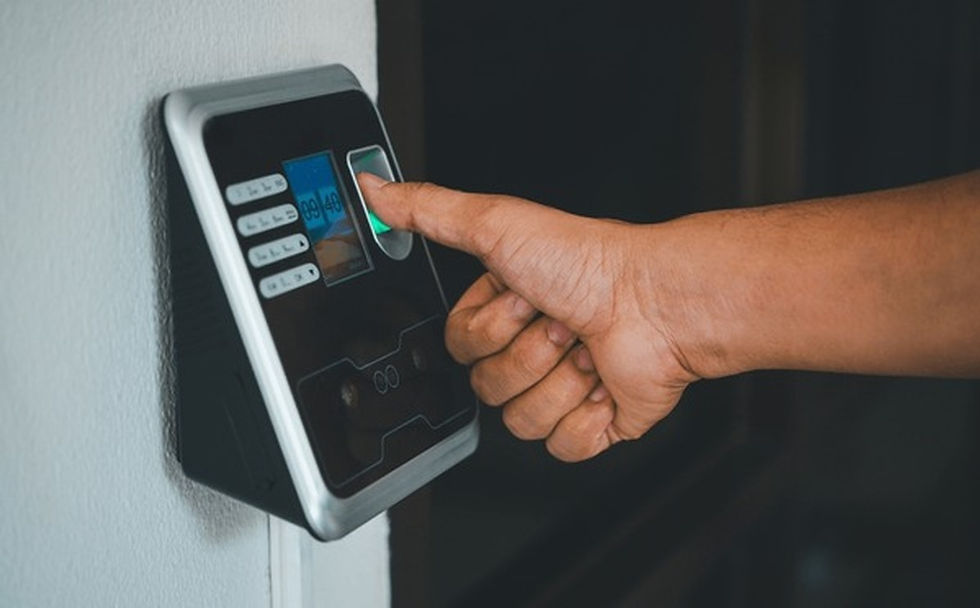
Understanding Cloud-Based Access Control Systems
What Is a Cloud-Based Access Control System?
A cloud-based access control system stores and processes data on remote servers rather than on-site hardware. Think of it as having your security infrastructure hosted in the cloud, accessible from anywhere with an internet connection.
Unlike traditional systems that require physical servers at each location, cloud solutions centralise everything. This means you can manage access permissions, view entry logs, and respond to security alerts without being tied to a specific building or office.
How Do Remote Access Control Systems Work?
These systems operate through a straightforward process. When someone presents their credentials—whether a key card, PIN, or smartphone—the reader sends this information to cloud servers for verification. Once approved, the door unlocks.
The beauty lies in real-time synchronisation. Any changes you make to permissions instantly apply across all connected sites. Plus, you receive immediate notifications about unusual activity, keeping you informed around the clock.
Key Components of Scalable Access Control Solutions
Several elements make these systems tick. You'll need cloud-hosted software, internet-connected door controllers, credential readers, and a mobile or web-based management dashboard.
The controllers communicate with central servers, while the dashboard gives you complete visibility. What's more, most modern systems integrate with existing security cameras, alarms, and building management platforms.
Top Benefits of Access Control Systems Without Geographic Limitations
Real-Time Monitoring and Management from Anywhere
Imagine receiving an alert about an unauthorised access attempt at your Melbourne warehouse while you're in Brisbane. With cloud-based systems, you can immediately review footage, lock down areas, or grant temporary access—all from your phone.
This level of control was unthinkable just a decade ago. Now, it's becoming standard practice for businesses of all sizes.
Cost Savings Compared to Traditional On-Premise Systems
Traditional systems demand significant upfront investment in servers and ongoing maintenance costs. Cloud solutions typically operate on subscription models, spreading expenses over time.
You'll also save on IT support since the provider handles updates and maintenance. No more emergency callouts to fix faulty on-site servers at 3 AM.
Enhanced Security for Multi-Site Businesses
Managing security across scattered locations used to mean juggling different systems and credentials. Cloud-based platforms unify everything under one roof—digitally speaking.
This centralisation eliminates security gaps between sites and ensures consistent protocols across your entire operation.
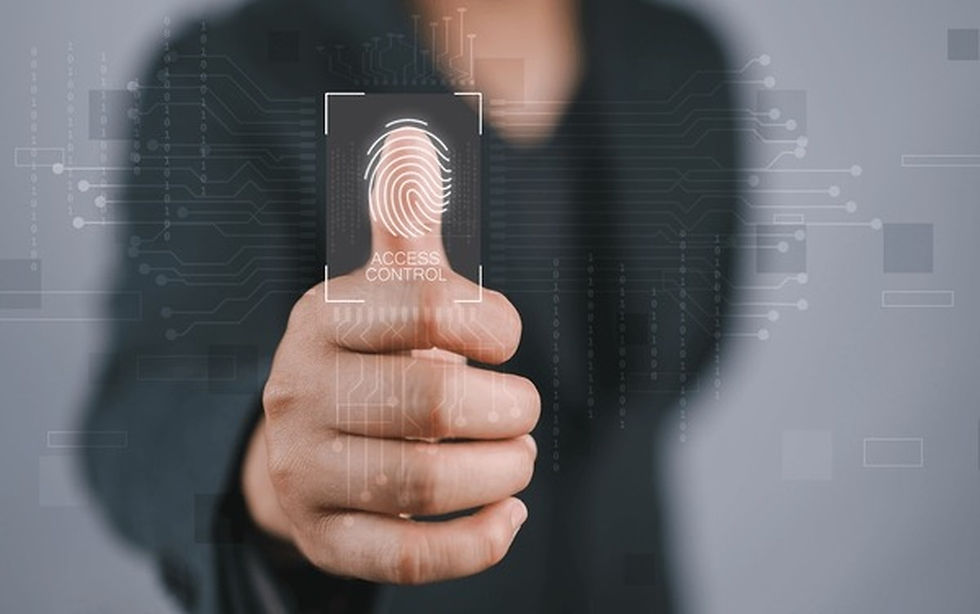
Best Practices for Implementing Location-Independent Access Control
Choosing the Right Cloud Access Control Provider
Not all providers are created equal. Look for companies with strong track records in the Australian market, robust customer support, and transparent pricing structures.
Check their uptime guarantees and data centre locations. Ideally, your data should be stored locally to comply with Australian privacy regulations and reduce latency issues.
Ensuring Seamless Integration with Existing Security Infrastructure
Your new system should play nicely with existing cameras, alarms, and building management tools. Before committing, verify compatibility and ask for demonstrations showing how integration works in practice.
A good provider will conduct a thorough site assessment and recommend any necessary upgrades to your current setup.
Setting Up Role-Based Access Permissions
Different people need different access levels. A cleaner shouldn't have the same permissions as a senior manager.
Role-based access control (RBAC) lets you create permission groups based on job functions. This approach simplifies management—when someone changes roles, you simply move them to a different group rather than manually adjusting individual permissions.
Establishing Reliable Internet Connectivity and Backup Protocols
Cloud systems depend on internet connectivity. Make sure each site has reliable connections, and consider backup options like 4G failover for critical locations.
Most quality systems also include offline functionality, allowing authorised credentials to work even during brief outages.
Security Considerations for Remote Access Control Management
Is Cloud-Based Access Control Secure?
This question comes up frequently, and rightly so. The short answer is yes—when implemented correctly.
Reputable providers use bank-level encryption, multi-factor authentication, and regular security audits. In many cases, cloud systems are actually more secure than on-premise alternatives because providers dedicate significant resources to cybersecurity.
Data Encryption and Compliance Standards
Look for systems using AES-256 encryption for data at rest and TLS for data in transit. Make sure your provider complies with Australian Privacy Principles and any industry-specific regulations relevant to your business.
Request documentation about their compliance certifications and ask how they handle data breach notifications.
Protecting Against Cyber Threats and Unauthorised Access
Strong passwords and multi-factor authentication are non-negotiable. Regular permission audits help identify dormant accounts or excessive access rights.
Train your team to recognise phishing attempts and social engineering tactics. After all, even the best system can be compromised through human error.
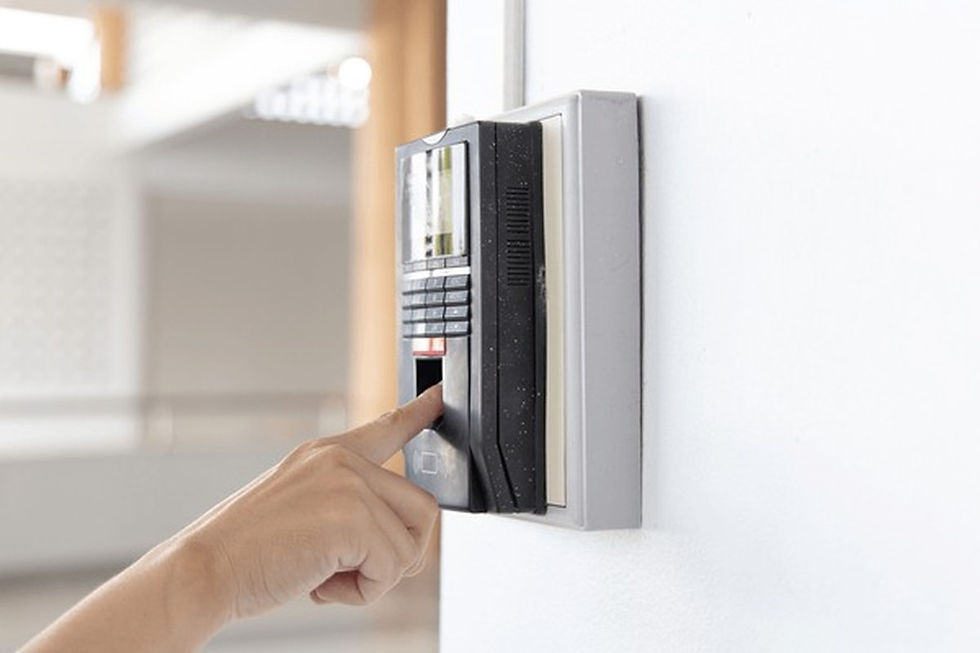
Scalability and Flexibility: Managing Access Across Multiple Locations
Can You Manage Multiple Buildings with One Access Control System?
Absolutely. This is precisely what cloud-based solutions excel at. One dashboard gives you visibility across all sites, making management straightforward regardless of how many locations you operate.
You can set location-specific rules while maintaining overarching policies that apply everywhere.
Adding New Sites and Users Without Disruption
Expansion becomes simple. When you open a new location, you install compatible hardware and connect it to your existing platform. No need for separate systems or complex integrations.
Adding users is equally painless—a few clicks and they're ready to go across all relevant sites.
Case Scenario: Australian Retail Chain with Nationwide Premises
Consider a retail chain with stores across every state. Before switching to cloud-based access control, they managed each store independently. Staff turnover meant constant key changes and security headaches.
After implementation, head office now manages access centrally. When an employee leaves, their credentials are revoked instantly across all locations. Temporary staff receive time-limited access that automatically expires.
Mobile Access Control and Smartphone Credentials
What Are the Advantages of Mobile Access Credentials?
Mobile credentials eliminate the need for physical cards that can be lost, stolen, or forgotten. Your smartphone becomes your key—something most people always carry.
These credentials can be issued remotely, saving time and reducing administrative burden. They're also more secure since they're tied to specific devices and often require biometric verification.
Implementing Touchless Entry Solutions
Touchless entry gained popularity during recent health concerns and continues to appeal for its convenience. Using Bluetooth or NFC technology, doors unlock as authorised users approach.
This hands-free approach speeds up entry during busy periods and improves the overall user experience.
Choosing Commercial Access Control Systems for Business Growth
Features to Look for in Enterprise Access Control Solutions
Prioritise scalability, integration capabilities, and comprehensive reporting. Look for intuitive interfaces that won't require extensive training for your team.
API availability is crucial if you want to connect your access system with other business tools like HR platforms or visitor management software.
Comparing Subscription vs Outright Purchase Models
Subscription models offer lower upfront costs and include ongoing support and updates. Outright purchases might suit businesses preferring capital expenditure over operational expenses.
Consider your cash flow preferences and long-term plans when deciding. Many providers offer hybrid options worth exploring.
Common Challenges and How to Overcome Them
What Happens If the Internet Goes Down?
Quality systems include offline functionality, storing authorised credentials locally. Doors continue operating normally during brief outages, and data syncs once connectivity returns.
For critical applications, invest in redundant internet connections and backup power supplies.
Training Staff on New Access Control Technology
Change can be challenging. Provide clear training sessions and easy-to-follow guides. Most staff adapt quickly once they experience the convenience firsthand.
Designate super-users within each team who can assist colleagues with questions and troubleshooting.
Managing System Updates and Maintenance Remotely
Cloud providers handle most maintenance automatically. Updates roll out seamlessly, often overnight, without disrupting daily operations.
Establish clear communication channels with your provider for any issues requiring attention.
Future Trends in Geographic-Independent Access Control
Artificial intelligence is reshaping access control, enabling anomaly detection and predictive security measures. Biometric options like facial recognition are becoming more sophisticated and affordable.
Integration with smart building systems will deepen, creating unified platforms managing everything from access to lighting and climate control.
Taking the Next Step Towards Smarter Access Control
We've covered substantial ground exploring how location-independent access control transforms business security. From understanding cloud-based systems to implementing best practices and navigating common challenges, you now have a solid foundation for making informed decisions.
The key takeaway? Modern access control systems offer unprecedented flexibility, security, and cost-effectiveness. They're no longer luxuries reserved for large corporations—businesses of all sizes across Australia are benefiting from these technologies.
Ready to upgrade your security approach? Start by assessing your current setup, identifying pain points, and researching providers that align with your specific needs. The investment in smarter access control pays dividends through improved security, operational efficiency, and peace of mind.



Comments