



Corporate Rebranding: The Bold Move That Rescues Stagnant Brands

In the lifecycle of every business, there comes a moment of reflection. You look at your storefront, your fleet of vehicles, or the reception wall, and something feels off. The logo that looked cutting-edge twenty years ago now looks tired. The colours that once popped now feel faded and out of touch with modern aesthetics. This is the moment where the conversation about corporate rebranding usually begins.
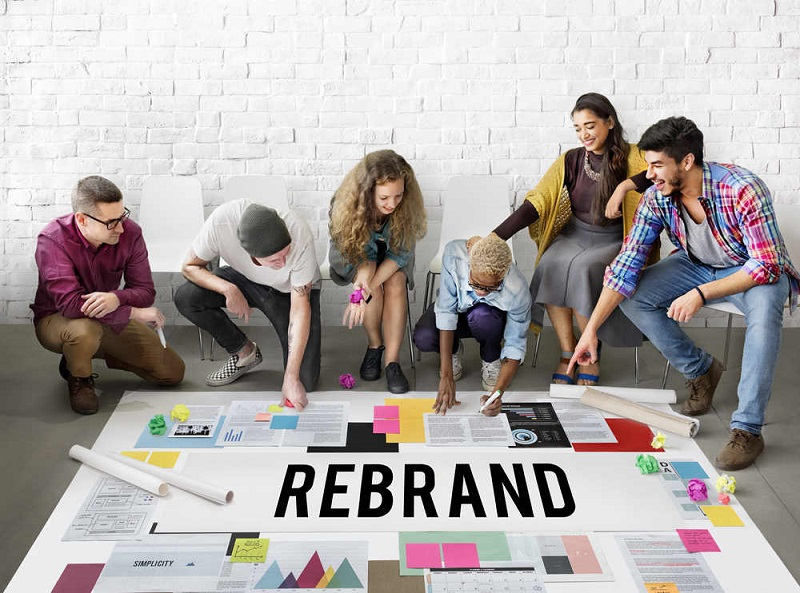
It is a significant undertaking. Changing the face of a company is about more than just picking a new font or splashing a different shade of blue on the walls. It is a strategic declaration that the business is evolving. For companies in Australia, where competition is fierce and consumer trust is paramount, a fresh visual identity can be the difference between fading into the background and dominating the market.
However, the most brilliant design on a computer screen means nothing if it is not executed perfectly in the real world. This is where the physical implementation of corporate rebranding becomes the most critical phase of the project. It is the bridge between a digital concept and a tangible reality that customers can see, touch, and trust.
The Physical Reality of a New Identity
When a marketing team decides to overhaul a brand, they spend months on strategy. They define values, target audiences, and voice. But eventually, those files are handed over to be built. This transition from design to fabrication is where many businesses stumble.
A logo might look fantastic on a white PDF background, but how does it translate to a three-dimensional fabricated sign on top of a building in Melbourne? Does the gradient colour work when printed on vehicle vinyl for a fleet of fifty vans? These are the practical questions that must be answered during a corporate rebranding rollout.
The physical signage is the handshake of your business. If the execution is poor, the brand feels cheap. If the materials are flimsy, the company looks unstable. High-quality signage tells the public that you are confident, established, and here to stay.
Merging Vision with Engineering
Successful rebrands require a partnership between the creative designers and the technical sign makers. The sign maker needs to interpret the vision and apply engineering principles to it.
For example, a designer might want a super-thin, elegant font for the building facade. A signage expert will analyze that request and determine if the strokes are wide enough to house LED modules for illumination. If they are not, the sign will not light up effectively at night. A good partner will suggest modifications that keep the aesthetic integrity while ensuring the sign works in the real world. This collaboration is the secret sauce of effective corporate rebranding.
Why Australian Businesses Choose to Rebrand
There are several triggers that push Australian companies to take the plunge. Understanding these motivations helps in planning the physical rollout, as the "why" often dictates the "how" and the "when."
Mergers and Acquisitions
This is one of the most common drivers. When two companies join forces, keeping two separate identities can be confusing. A unified brand signals a unified culture. The challenge here is speed. You often need to replace signage across multiple locations simultaneously to show the market that the change has happened. The logistics of removing old branding and installing new assets across a state or the entire country requires precise project management.
Modernization and Relevance
Styles change. A business that started in the 1990s might have a visual style that screams "yesterday." In a tech-savvy market, looking outdated can be interpreted as being behind the times in service delivery too. Corporate rebranding allows a legacy business to keep its heritage name but present it with a modern, sharp, and forward-thinking aesthetic.
Repositioning the Business
sometimes a company changes what it does. A printing shop might evolve into a digital marketing agency. A local courier might become a national logistics provider. The old signage might limit how customers perceive the service. New signage breaks those shackles and invites a new type of customer through the door.
The Logistics of a Signage Rollout
Implementing a new brand across a physical environment is a complex logistical puzzle. It is not as simple as sticking a sticker on a window. It involves audits, permits, manufacturing, and safety checks.
The Site Audit
Before a single piece of metal is cut, a thorough site audit is necessary. Every location is different. One branch might have a brick facade, while another has glass curtain walls. One might be in a heritage-listed zone, while another is in an industrial park.
During a corporate rebranding project, the signage team visits these sites to measure everything. They check for electrical access points for illuminated signs. They look at the condition of the fascia to ensure it can hold the weight of the new signs. They analyze sightlines from the road to maximize visibility. This data collection prevents nasty surprises on installation day.
Navigating Council Permits
In Australia, you cannot simply put up whatever sign you like. Local councils have strict planning schemes regarding the size, height, illumination, and position of signage.
This is a major hurdle in corporate rebranding. If you have twenty locations, you might be dealing with twenty different councils, each with its own set of rules. A professional signage partner handles this bureaucracy. They prepare the drawings, submit the applications, and negotiate with town planners. Failing to do this can result in fines or being forced to remove the new signs—a disaster for any budget.
Managing the Transition Period
There is a tricky period during a rebrand where the old and new might overlap. The goal is to minimize this. You do not want a customer to drive a van with the new logo to a warehouse that still has the old logo. It creates brand confusion.
Experienced signage companies plan the rollout in waves. They might prioritize high-visibility flagship sites first, followed by the vehicle fleet, and then secondary locations. This structured approach ensures that the most impactful assets are converted quickly.
Key Assets in a Corporate Rebranding Strategy
When you strip away the digital elements, the physical assets of a brand fall into a few key categories. Each requires different materials and installation techniques.
Exterior Building Signage
This is the anchor of your presence. Options include:
3D Fabricated Letters: These offer depth and shadow, creating a premium look.
Lightboxes: Great for visibility day and night.
Pylon Signs: Freestanding structures near the road that catch the eye of passing traffic.
Window Graphics: utilizing glass frontage for advertising or privacy.
In the context of corporate rebranding, the exterior sign is usually the biggest investment and the biggest statement.
Vehicle Fleet Branding
For many service businesses, the van is seen by more people than the office. Wrapping a fleet is a powerful way to announce a rebrand. It turns every traffic jam into a marketing opportunity. The challenge here is consistency. The design must adapt to fit different vehicle makes and models—from a small hatchback to a large box truck—while maintaining the same look and feel.
Interior Wayfinding and Culture
The brand must live inside the building too. When a client walks into the reception, the new logo should be behind the desk. But it goes deeper. Wayfinding signs (toilets, meeting rooms, exits) should use the new font and colour palette. Glass frosting can feature the new brand pattern. This internal consistency reinforces the new identity to staff and visitors alike.

Navigating the Australian Environment
Australia presents unique challenges for signage that must be considered during a corporate rebranding exercise. The primary enemy is the sun. The UV index in Australia is incredibly high, which can cause inferior paints and vinyls to fade or crack within a year or two.
Material Selection Matters
When you are spending the budget to rebrand, you want it to last. This means using UV-stabilized laminates for digital prints. It means using automotive-grade paints for metal fabrication. It means choosing acrylics that won't yellow in the heat.
A cheap quote often means cheap materials. In the short term, you save money. But when the red in your logo turns pink after one summer, the cost to replace it is far higher. A quality signage provider specifies materials that are rated for Australian conditions.
Safety and Compliance
Installing large signs involves working at heights, electrical connections, and public safety. Strict Occupational Health and Safety (OH&S) laws apply. During a rollout, the installation teams must have the correct licenses (like EWP tickets for cherry pickers) and Safe Work Method Statements (SWMS). This professionalism protects your company from liability during the installation phase.
Questions and Answers: Common Questions About Corporate Rebranding in Australia
Q: Do I need a planning permit to replace an existing sign with a new logo?
In many cases, yes. Even if there was a sign there before, changing the content or the structure often triggers the need for a new permit. Some councils have "existing use rights," but it is risky to assume. It is always safer to check with the local council or have your signage partner handle the permit check as part of the corporate rebranding process.
Q: How long does a typical signage rebranding rollout take?
The timeline depends on the scale. A single site might take 4-6 weeks from survey to installation. A national rollout with hundreds of sites can take several months. The longest lead times are often the council permit approvals and the manufacturing of complex fabricated letters. Planning early is essential.
Q: Can we re-use our existing lightboxes and just change the panels?
Yes, this is a cost-effective strategy. If the metal cabinet and the electrical components of the existing lightbox are in good condition, you can often just replace the acrylic faces with the new graphics. This saves money on fabrication and reduces waste. A site audit will determine if the existing structures are safe to reuse.
Q: What happens to the old signage?
Disposal is an important consideration. Many components, such as aluminium and steel, can be recycled. Acrylic and electrical waste need to be disposed of responsibly. A reputable signage company will include the removal and ethical disposal of the old branding as part of their service, ensuring you don't leave a pile of old logos in the bin.
Q: How do we ensure the colours match exactly on different materials?
Colour management is critical. A Pantone colour looks different on a computer screen, a printed piece of paper, and a backlit piece of acrylic. Professional sign makers produce "samples" or prototypes for you to sign off. They match the vinyls and paints as closely as possible to your brand guidelines to ensure consistency across all mediums.
Conclusion: Your Path to a Successful Corporate Rebranding in Australia
Refreshing your business identity is a bold declaration of confidence. It tells your customers that you are evolving, improving, and ready for the future. However, the success of this transition relies heavily on the quality of the execution. A logo is only an idea until it is built and installed.


Comments