



How Metal Recycling Helps Green Manufacturing Initiatives

Written By

Sustainability And Industrial Resource Management Specialist
Manufacturing industries around the world are facing a lot of pressure to reduce their impact on the environment while still making money. Governments, consumers and investors want businesses to use practices that save resources and lower carbon emissions. So green manufacturing is no longer a good thing to do it is necessary for businesses to survive.
One of the ways to support this change is Metal Recycling. By turning metal products into new raw materials recycling helps manufacturers reduce waste use less energy and support the idea of a circular economy.
Metal recycling is not about managing waste it plays a big role in making industries more sustainable. It helps create production processes makes supply chains stronger and contributes to long-term environmental goals.
Lets look at how Metal Recycling helps manufacturing initiatives and why it is an important part of sustainable industry practices.
Understanding The Connection Between Manufacturing And Sustainability
Manufacturing needs a lot of materials like steel, aluminum, copper, brass and other metals. Usually getting these materials requires mining, extraction, refining and transportation which uses a lot of energy and natural resources.
These activities can cause:
Greenhouse gas emissions
Habitat destruction
Water consumption
Air pollution
Resource depletion
Green manufacturing tries to minimize these impacts by using resources more efficiently and reducing waste.
This is where Metal Recycling comes in as a solution.
Reducing Dependence On New Raw Materials
One of the environmental benefits of Metal Recycling is reducing the need for new metals.
Every ton of metal used in manufacturing means less demand for:
Mining operations
Ore processing
Transportation activities
Resource extraction projects
By using materials manufacturers help preserve natural resources and lower their environmental footprint.
This approach supports long-term sustainability goals. Promotes responsible resource management.
Lowering Energy Consumption
Making metals from materials uses much less energy than making them from new raw materials.
For example:
Recycled aluminum uses energy than making new aluminum.
Recycled steel uses energy than making new steel from iron ore.
Recycled copper eliminates energy-intensive extraction stages.
Using energy has many benefits:
Lower costs
Lower greenhouse gas emissions
Efficient production
Better sustainability performance
As energy prices keep changing these savings become more valuable for manufacturers.
Supporting Circular Economy Principles
The manufacturing model is linear: extract, produce, use and dispose. Green manufacturing promotes an approach: recover, recycle, reuse and remanufacture.
Metal recycling is an example of a circular economy in action.
Metals can be recycled times without losing quality creating a continuous cycle where materials stay useful instead of becoming waste.
For manufacturers participating in this cycle helps them commit to goals and get the most value from their materials.
Minimizing Industrial Waste
Manufacturing facilities generate a lot of metal waste including:
Offcuts
Shavings
Scrap components
Defective products
Equipment
Without proper recycling programs this waste ends up in landfills.
Metal recycling helps businesses recover resources that would otherwise be thrown away.
Benefits include:
Less waste in landfills
Better waste management
Lower disposal costs
Efficient use of resources
Reducing waste is a key goal of green manufacturing.
Reducing Carbon Emissions
Many organizations want to lower their carbon emissions to meet regulations and sustainability goals.
Metal recycling helps by reducing emissions from:
Mining
Transportation
Primary metal production
Energy consumption
As manufacturers look for ways to lower their carbon footprint recycled metals provide a effective solution.
Many sustainability reporting frameworks now recognize material recycling as a way to reduce emissions.
Strengthening Sustainable Supply Chains
Manufacturers are focusing on making their supply chains more resilient.
Depending on imported materials can expose businesses to:
Price changes
Transportation problems
Resource shortages
Geopolitical risks
Metal recycling helps by creating supplies of reusable metals making supply chains stronger and supporting local recycling industries.
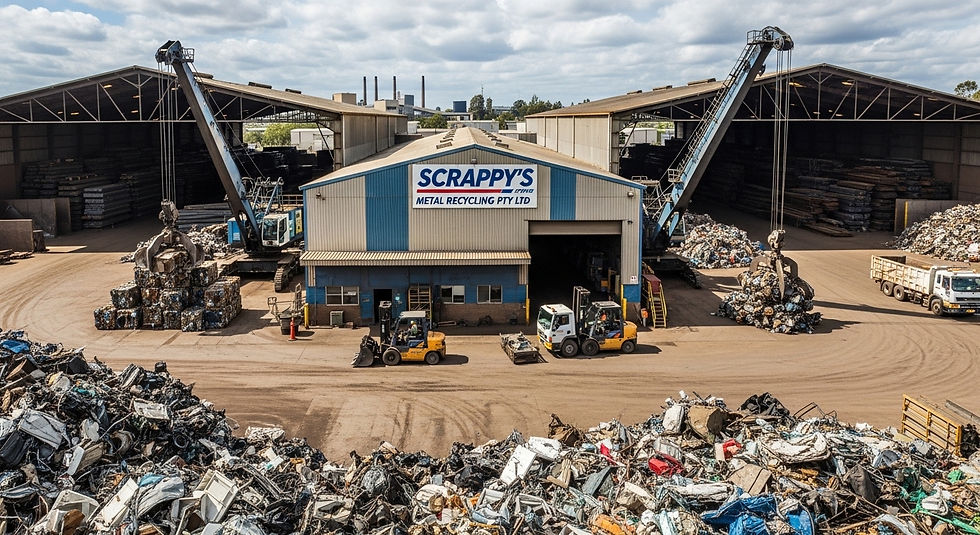
A sustainable supply chain is often a more resilient one.
Supporting Green Building And Infrastructure Projects. Many manufacturers supply products to industries that want to be more sustainable.
Examples include:
Construction projects
Renewable energy systems
Sustainable transportation initiatives
Certified buildings
Recycled metals are often used in these projects because they help meet sustainability goals and environmental performance requirements.
Manufacturers that use content in their products are better positioned to meet changing market demands.
Encouraging Innovation In Manufacturing
Sustainability challenges often drive innovation.
The growing demand for materials has encouraged manufacturers to invest in:
New sorting technologies
Material recovery systems
Energy-efficient production methods
Product design
These innovations improve efficiency and support environmental goals.
Companies that recycle often find ways to improve their processes and reduce costs.
Enhancing Corporate Sustainability Reputation
Consumers and business partners prefer companies that're environmentally responsible.
Manufacturers that support Metal Recycling initiatives can improve their reputation by:
Reducing impact
Supporting circular economy practices
Conserving resources
Lowering carbon emissions
These efforts can improve stakeholder confidence. Create competitive advantages in sustainability-focused markets.
Environmental responsibility is no longer a public relations goal it is important, for business success.
Creating Long-Term Economic Benefits
Sustainability and profitability are not mutually exclusive Metal Recycling shows how they can work together.
Manufacturers can benefit from:
Material costs
Reduced waste disposal expenses
Improved energy efficiency
Stronger supply chain resilience
Better regulatory compliance
Over time these advantages contribute to performance and financial sustainability.
Green manufacturing initiatives are most successful when they deliver both economic value.
The Future Of Metal Recycling In Manufacturing
As governments introduce environmental regulations and businesses pursue sustainability goals the role of Metal Recycling will continue to grow.
Future trends may include:
Recycled content requirements
New recycling technologies
Greater circular economy adoption
Improved material recovery systems
Stronger sustainability reporting standards
Manufacturers that integrate recycling into their long-term strategies will be better positioned to adapt to changing industry expectations.
Final Thoughts
Green manufacturing depends on resource management, reduced waste and lower environmental impact. Metal Recycling supports all of these objectives by turning discarded materials into resources that can be reused repeatedly throughout the manufacturing cycle.


Comments