



How to Rebrand a Company: A 6-Step Corporate Rebranding Strategy

Change is a natural part of business. Companies grow, markets shift, and customer expectations evolve. When your current image no longer reflects who you are or where you are going, it is time to look at corporate rebranding. This process transforms how the public sees you. For businesses in Australia, this is more than updating a website. It involves changing the physical face of your company, from the sign above your door to the graphics on your fleet vehicles.
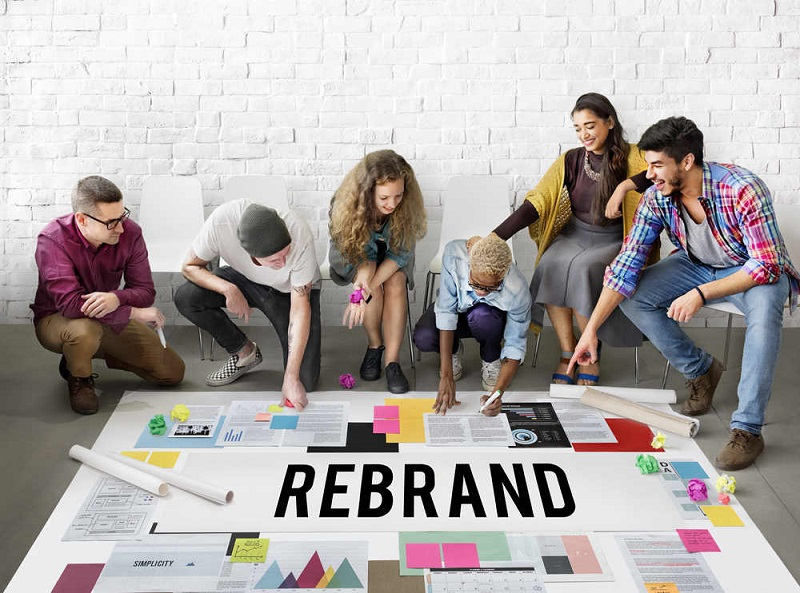
Corporate rebranding is a significant undertaking. It requires careful planning to ensure your new look is consistent, legal, and durable against the harsh Australian elements. This guide will walk you through a practical, six-step strategy tailored for Australian businesses, with a specific focus on the physical signage and visual assets that make your brand real to the world.
Understanding the Scope of Your Rebrand
Before you order new signs or peel off old vinyl, you need to understand the scale of the project. Corporate rebranding can range from a simple refresh to a complete overhaul.
A refresh might mean tweaking your logo and updating your color palette to look more modern. A complete overhaul involves a new name, new logo, and a total transformation of your visual identity. In the signage world, a refresh might involve replacing the face of a light, while an overhaul requires removing old structures and installing entirely new fabricated letters or pylon signs.
In Australia, we value authenticity. Your rebrand needs to tell a true story. If you are a heritage brand in Melbourne or a modern tech firm in Sydney, your physical presence must match your internal values. If there is a disconnect, customers will notice.
Step 1: Audit Your Current Brand Assets
You cannot build the new without accounting for the old. The first step in a successful corporate rebranding strategy is a thorough audit of every physical asset you own. This is often where businesses make mistakes by missing items that carry the old logo.
Take a walk around your premises. Look at your building from the perspective of a customer driving by.
External Signage: Check your pylon signs, fascia signs, and window graphics. Are they faded? Is the lighting working?
Wayfinding: Look at the directory boards in your lobby, door signs, and safety signs.
Vehicle Fleet: How many cars, vans, or trucks currently have the old branding?
Internal Branding: specific reception signs, wall murals, and frosting on glass meeting rooms.
Make a detailed list. This inventory will serve as your checklist for the rollout. It helps you budget accurately and ensures that on launch day, you don't have an old, faded sign confusing customers next to your shiny new one.
Step 2: Define Your Visual Identity for Physical Application
Digital designs look great on a screen, but they act differently in the real world. When you are in the design phase of corporate rebranding, you must think about how those colors and shapes translate to signage.
Some colors that look vibrant on a monitor may look dull when printed on vinyl or may fade quickly in the Australian sun. For example, certain shades of red and orange are notorious for fading faster under high UV exposure.
When selecting your new fonts and logos, consider legibility. A thin, elegant font might look classy on a business card, but it will be invisible on a building sign viewed from a highway. As part of your corporate rebranding, work with a signage expert to choose materials and colors that match your brand guidelines but are also practical for manufacturing.
We often see businesses pick a specific Pantone color that is difficult to match with standard acrylics or LEDs. Thinking about the physical materials early in the process saves time and money later.
Step 3: Navigating Australian Regulations and Permits
This step is critical for Australian businesses and is often overlooked until it is too late. Changing your signage often requires approval from your local council.
In Australia, signage regulations vary by state and local municipality. If your corporate rebranding involves changing the size, illumination, or location of your external signs, you will likely need a planning permit.
Heritage Overlays: If your business is in an older building or a heritage-listed area, the rules are strict. You may be limited in what colors you can use or how the sign is attached to the building.
Illumination: Councils have rules about how bright a sign can be and how late it can stay on, especially if you are near a residential zone or a main road.
Safety Standards: Signs cannot obstruct views for traffic or pedestrians.
Ignoring these rules can lead to fines or being forced to remove your new signs. Part of a smart corporate rebranding strategy is engaging with a signage partner who understands these local laws and can handle the permit application process for you.
Step 4: Design for Durability and Environment
Australia has one of the harshest climates in the world for outdoor materials. High UV levels, salt spray near the coast, and extreme heat can destroy inferior signage products.
When you invest in corporate rebranding, you want the new look to last.
UV Protection: Ensure all digital prints used on windows or vehicles have a high-quality UV laminate. This acts as sunscreen for your brand.
Material Choice: For coastal areas, marine-grade stainless steel is necessary to prevent rust. In hot areas, choosing the right acrylics prevents warping.
Sustainability: Australian consumers care about the environment. Ask about eco-friendly material options or how the old signage will be recycled.
Your brand represents quality. If your new sign peels or fades within a year, it sends a message of poor quality to your customers. Choosing the right materials is an investment in your brand's reputation.
Step 5: The Rollout Plan – Logistics and Installation
Once the designs are approved and permits are secured, the physical work begins. For a single location, this is straightforward. For businesses with multiple sites or a large fleet of vehicles, logistics are key.
You need a detailed project management plan.
Prioritize High-Visibility Sites: Start with your headquarters or your busiest locations.
Fleet Coordination: You cannot take all your service vehicles off the road at once. Schedule vehicle wraps on weekends or on a rotating roster to keep your business moving.
Safety Compliance: The installation team must adhere to Australian safety standards. This includes using safe access equipment like scissor lifts and securing the work area to protect the public.
A successful corporate rebranding rollout minimizes disruption to your daily operations. The goal is to switch over as seamlessly as possible.
Step 6: Launch and Communication
The final step is the reveal. This is the moment your corporate rebranding goes live.
Coordinate the installation of your signage with your digital launch. ideally, your website, social media, and building signs should all update at the same time. This creates a strong impact.
Don't forget to communicate the change to your stakeholders. Let your customers know why you have changed your look. Explain that while the image is new, the service they rely on remains the same. A fresh coat of paint and a new logo on the building signals growth and confidence in the future.
Questions and Answers: Common Questions About Corporate Rebranding in Australia
Q: Do I really need a council permit just to change the logo on my existing sign?
In many cases, yes. Even if you are using the existing lightbox or frame, changing the "face" or the visual content can trigger the need for a permit, especially if the new design is illuminated differently or if the local planning schemes have changed since the original sign was put up. It is always safer to check with your local council or have your signage provider check for you to avoid fines.
Q: How long does the physical signage process take during a rebrand?
The timeline varies based on complexity. Once the design is locked in, manufacturing typically takes 2 to 4 weeks. However, the permit process in Australia can take anywhere from a few weeks to a few months depending on the council. We recommend starting the conversation with your signage partner at least 3 months before your intended launch date.
Q: What should we do with our old signage?
Responsible disposal is important. Many components of old signs, such as aluminum and steel, can be recycled. Acrylics and electrical components require specific disposal methods. Ask your signage company if they offer removal and recycling services as part of the corporate rebranding package. This ensures you aren't sending unnecessary waste to landfill.
Q: Can we wrap our vehicles if the paint underneath is damaged?
Vehicle wraps are excellent for corporate rebranding, but they are not magic. The vinyl adheres best to smooth, clean paint. If your vehicles have deep scratches, rust, or peeling clear coats, the vinyl may not stick properly, or the imperfections will show through. It is usually best to repair significant bodywork damage before applying new branding graphics.
Q: How often should a company go through corporate rebranding?
There is no set rule, but most companies look at a refresh every 7 to 10 years. This keeps the brand looking modern. However, if your business direction changes drastically, a rebrand should happen immediately to align your image with your new offers. Physical signage usually has a lifespan of 5 to 10 years depending on the materials, so often the need for maintenance aligns with the need for a brand update.
Conclusion: Your Path to a Successful Corporate Rebranding in Australia
Embarking on a corporate rebranding journey is an exciting step for any Australian business. It signals evolution, strength, and a commitment to the future. However, the success of this transition relies heavily on execution. A beautiful logo on a computer screen brings no value if it translates into a poorly made sign that fades in the sun or violates local planning laws.
Your physical assets—from the monolith sign at your entrance to the graphics on your delivery vans—are the most tangible representation of your brand. They work for you 24 hours a day, 365 days a year. By following this 6-step strategy, you ensure that your new identity is built on a solid foundation of quality, compliance, and strategic thinking.
At Swift Signs, we understand the nuances of the Australian market and the technical requirements of bringing a brand to life. We help you navigate the complexities of permits, material selection, and installation so you can focus on running your business. When you are ready to turn your corporate rebranding vision into reality, we are here to make sure the world sees you in the best possible light.


Comments