



What Is an Interlock Device? Everything Drivers Need to Know
- zoehsewell
- 10 hours ago
- 7 min read

Have you ever wondered what happens after a drink driving conviction in Australia? Perhaps you've heard about interlock devices but aren't quite sure what they involve? Or maybe you're facing the prospect of having one fitted and feeling a bit anxious about the whole process?
An ignition interlock device is essentially a breathalyser connected to your vehicle's ignition system. It prevents your car from starting unless you provide a breath sample that shows you're under the legal alcohol limit. These devices have become a standard part of drink driving penalties across Australia, helping thousands of drivers get back on the road safely while demonstrating they can drive responsibly.
In this comprehensive guide, we'll walk you through everything you need to know about interlock devices. You'll learn how they work, who needs one, what the installation process looks like, and what daily life is really like with an interlock fitted. We'll also tackle common concerns and misconceptions, so you can approach this with confidence rather than worry. Whether you're currently in an interlock program or simply curious about how these devices function, this article has got you covered.
What Is an Interlock Device and How Does It Work?
The Basic Components of an Interlock Device
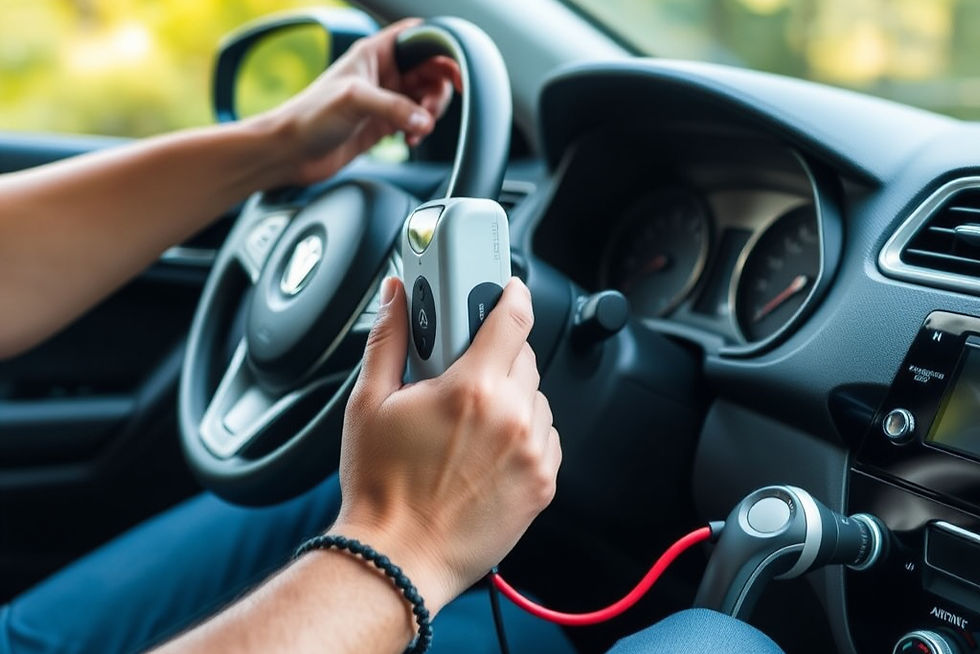
An interlock device consists of several key parts working together seamlessly. The main unit connects to your vehicle's ignition system and includes a handheld mouthpiece where you provide breath samples. There's also a control module that processes the readings and determines whether your car can start.
Modern interlock devices feature digital displays showing your test results and any relevant instructions. They also contain data logging systems that record every breath test, including the time, date, and result. This information gets reviewed during your regular service appointments.
How Do You Blow Into an Interlock Device?
Using an interlock device is straightforward once you get the hang of it. You'll need to blow steadily into the mouthpiece while simultaneously humming. This combination ensures the breath sample comes from your lungs rather than just your mouth. The device will indicate when you've provided an adequate sample.
The whole process takes roughly 30 seconds. Most people find it becomes second nature after a few days. Your service provider will give you proper training during installation, so there's no need to stress about getting it right immediately.
What Happens If You Fail an Interlock Test?
If your breath sample shows alcohol above the set limit, your vehicle simply won't start. The device will lock you out for a short period before allowing another attempt. Multiple failures get recorded and may result in your interlock period being extended.
It's worth noting that the device doesn't immobilise your vehicle while you're driving. Safety always comes first, so if you fail a rolling retest during a journey, you'll have time to pull over safely.
Why Are Interlock Devices Required?
Drink Driving Offences and Court-Ordered Interlocks
Courts across Australia order interlock devices as part of drink driving penalties to protect road users while giving offenders a pathway back to legal driving. Rather than facing lengthy licence disqualifications, drivers can often participate in an interlock program that allows supervised driving.
The thinking behind this approach is practical. Research shows that interlock programs significantly reduce repeat drink driving offences. By requiring drivers to prove sobriety before every journey, these devices create accountability and help break dangerous habits.
How Long Do You Have to Have an Interlock Device?
Interlock periods vary depending on your offence severity and which state you're in. Typically, first-time offenders might have an interlock fitted for six months to two years. Repeat offenders or those with high blood alcohol readings face longer mandatory periods.
Your specific interlock duration will be outlined in your court order or licence conditions. Successfully completing the program without violations is essential for getting your unrestricted licence back.

Who Needs an Interlock Device in Australia?
State-by-State Interlock Requirements
Each Australian state and territory has slightly different interlock rules. In Victoria, interlocks are mandatory for most drink driving convictions. New South Wales has similar requirements, particularly for mid-range and high-range offences. Queensland, Western Australia, South Australia, and Tasmania all operate their own programs with varying eligibility criteria.
Check with your local transport authority for specific requirements in your area. The rules can change, so getting accurate, up-to-date information is important.
First-Time vs Repeat Offenders
First-time offenders with lower blood alcohol readings may receive shorter interlock periods or, in some cases, avoid the requirement altogether. However, repeat offenders almost always face mandatory interlock conditions, often for extended periods.
The distinction reflects the graduated approach Australian courts take to drink driving penalties. Those who demonstrate ongoing risky behaviour face stricter supervision.
The Interlock Installation Process
Where Can You Get an Interlock Device Installed?
Approved interlock service providers operate across Australia. These companies handle installation, training, and ongoing maintenance. You'll receive a list of approved providers when you're ordered to participate in an interlock program.
Installation typically takes a couple of hours at an authorised service centre. The technicians ensure the device integrates properly with your vehicle without affecting normal operation.
What Vehicles Can Have an Interlock Device Fitted?
Interlock devices can be fitted to most standard vehicles, including cars, utes, and vans. However, some vintage vehicles or those with unusual ignition systems may present challenges. Your service provider can advise whether your specific vehicle is suitable.
You'll need to nominate which vehicles you'll be driving during your interlock period. Driving any vehicle without an approved interlock fitted is a serious offence.
Living with an Interlock Device: What to Expect
Can You Drive Normally with an Interlock Device?
Absolutely. Once you've provided a passing breath test, your vehicle operates completely normally. The interlock doesn't affect your car's performance, fuel consumption, or handling in any way.
The main adjustment is simply remembering to allow a few extra minutes before each journey for the breath test. Most people adapt quickly and barely notice the device after the first week or two.
Do Interlock Devices Have Cameras?
Some modern interlock devices include cameras that photograph the person providing the breath sample. This feature prevents someone else from blowing on your behalf. Not all devices have cameras, but they're becoming increasingly common.
The photos are reviewed during servicing to verify you've been providing your own samples. This adds another layer of accountability to the program.
Rolling Retests: What Are They and Why Do They Matter?
Rolling retests are random breath tests required while you're driving. The device will beep to alert you, and you'll have several minutes to pull over safely and provide a sample. These tests ensure you haven't consumed alcohol after starting your vehicle.
Don't panic if you receive a retest request while driving. You have plenty of time to find a safe spot. Ignoring rolling retests gets recorded and can extend your interlock period.
Common Concerns and Misconceptions
Can Mouthwash or Food Set Off an Interlock Device?
Some products containing alcohol can temporarily affect your reading. Mouthwash, certain medications, and even very ripe fruit might cause a brief spike. The simple solution is waiting 15 minutes after eating or drinking anything before testing.
The device measures deep lung air, so any residual mouth alcohol dissipates quickly. A genuine fail from actual alcohol consumption shows very different patterns to momentary spikes from food or mouthwash.
What Happens If Someone Else Blows Into Your Interlock?
Having someone else provide your breath sample is a serious offence that can result in criminal charges, extended interlock periods, and licence cancellation. With cameras now standard on many devices, getting caught is highly likely.
It's simply not worth the risk. The program exists to help you demonstrate responsible driving behaviour. Cheating defeats the purpose entirely.
Can You Remove an Interlock Device Early?
Generally, no. You must complete your full mandatory period before applying for removal. Some jurisdictions allow early removal applications in exceptional circumstances, but approval is rare.
Focus on completing the program violation-free. This gives you the best chance of a smooth transition back to unrestricted driving.
Maintenance and Servicing
How Often Does an Interlock Device Need Servicing?
You'll need to attend regular service appointments, typically every 28 to 60 days depending on your state's requirements. During these visits, technicians download your data, check the device is functioning correctly, and recalibrate if necessary.
Missing service appointments can result in your vehicle being locked out, so keep track of your schedule carefully.
What Happens If Your Interlock Device Malfunctions?
Genuine malfunctions are rare but do occur. If your device isn't working properly, contact your service provider immediately. They'll arrange for inspection and repair. Document everything and don't attempt to drive if the device appears faulty.
Most providers offer roadside assistance for interlock-related issues, giving you peace of mind if problems arise unexpectedly.
Getting Your Licence Back: Life After the Interlock Program
Completing your interlock program successfully is a significant achievement. You'll need to attend a final service appointment where your data gets reviewed. Assuming everything checks out, you can apply to have the interlock condition removed from your licence.
The removal process varies by state but typically involves paperwork and potentially a small fee. Once approved, you can have the device professionally removed from your vehicle.
Moving Forward with Confidence
Dealing with an interlock device might feel overwhelming initially, but thousands of Australians successfully complete these programs every year. The key is understanding what's required and approaching it with the right mindset.
Remember, interlock programs exist to help you, not punish you. They provide a structured pathway back to normal driving while keeping everyone safe. By following the rules and completing your program without violations, you're demonstrating responsibility and commitment to safer roads.
If you're about to start an interlock program, take heart. It's temporary, manageable, and ultimately leads to getting your full licence back. Stay patient, follow the guidelines, and before you know it, this chapter will be behind you. You've got this.


Comments