



Commercial Shade Sails: How They Withstand Harsh Weather Conditions

Ever stepped outside on a scorching Australian day and wished for some reliable cover? Commercial shade sails offer a smart solution for businesses, parks, and public spaces, providing shelter that holds up against the elements. In a country known for its intense sun, sudden storms, and coastal winds, these structures prove their worth by protecting people and property. This guide explores how commercial shade sails endure tough weather, why they suit Australian conditions, and tips for making the most of them in your area.

The Basics of Commercial Shade Sails
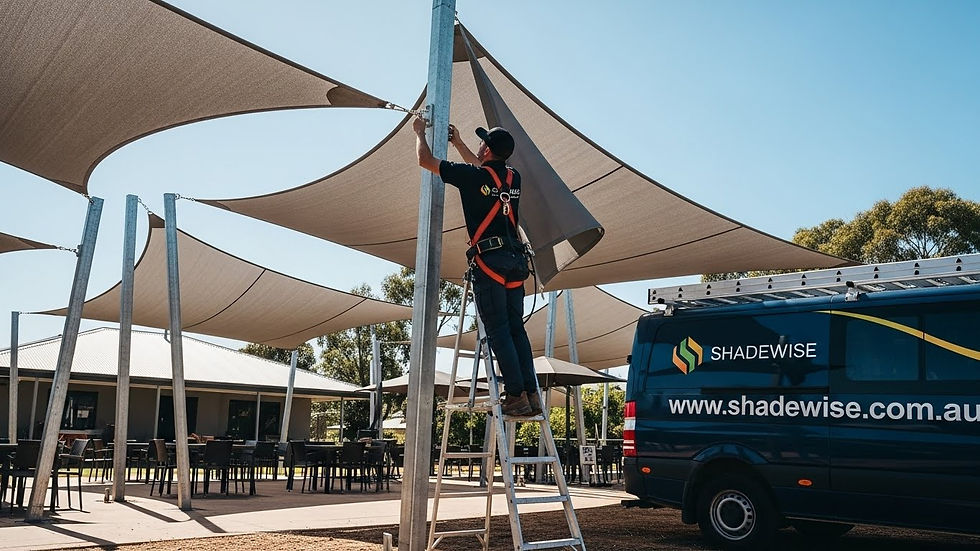
Commercial shade sails are large, tensioned fabric covers designed for outdoor commercial use. They stretch over frames to create shaded areas, blocking harmful UV rays while allowing airflow. Unlike basic umbrellas, these sails cover wide spaces like playgrounds, outdoor cafes, or loading docks.
In Australia, where outdoor living defines daily life, commercial shade sails fit right in. They help businesses extend usable space year-round, from sunny barbecues in Queensland to windy afternoons in Tasmania. The key to their popularity lies in durability—built to face high winds, heavy rain, and relentless sun without sagging or tearing.
Materials matter most. High-density polyethylene (HDPE) fabrics dominate because they resist fading and mildew. These sails block up to 95% of UV rays, aligning with national health guidelines for sun protection. For commercial settings, sails come in custom sizes to match site needs, ensuring even coverage.
Key Features That Build Strength
What makes commercial shade sails tough? Their design includes reinforced edges and stainless steel fittings that handle tension. This setup distributes stress evenly, preventing weak points during gusts.
UV stabilizers in the fabric prevent breakdown from Australia's ozone hole effects. Waterproof coatings shed rain, avoiding water pooling that could strain the structure. In commercial applications, these features mean less downtime and maintenance, keeping operations smooth.
How Commercial Shade Sails Handle Extreme Weather
Australia's weather swings from drought to deluge, testing any outdoor installation. Commercial shade sails excel here, engineered to withstand cyclones, hail, and bushfire heat.
Wind resistance starts with the sail's shape—curved designs reduce wind catch, letting air pass through. In northern territories prone to tropical storms, sails rated for high wind speeds stay secure. Anchors buried deep into concrete or ground ensure stability, even in sandy coastal soils.
Rain management comes from breathable fabrics that drain quickly. During monsoons in Darwin, these sails prevent flooding under them, protecting events or stock areas. Hail bounces off the tough material, minimizing dents compared to metal roofs.
Sun exposure is the biggest challenge. Australia's UV index often hits extreme levels, but commercial shade sails use knitted weaves that block rays without trapping heat. This keeps shaded spots cool, ideal for commercial patios where customers linger.
In fire-risk zones like rural New South Wales, flame-retardant treatments add safety. Sails won't fuel blazes, complying with local fire authority standards. Overall, these adaptations make commercial shade sails a reliable choice for harsh conditions.
· Wind Gusts: Triangular or rectangular shapes with proper tension absorb shocks.
· Heavy Rain: Sloped installation directs water away, avoiding buildup.
· Intense UV: Colorfast dyes and blockers maintain appearance over time.
· Temperature Swings: Flexible materials expand and contract without cracking.
Businesses report fewer repairs with quality commercial shade sails, extending their lifespan in variable climates.
Benefits for Commercial Spaces in Australia

Commercial shade sails go beyond weather protection—they enhance functionality and appeal. For cafes in Melbourne's laneways, they create cozy outdoor nooks that draw crowds during mild winters. In schoolyards across Perth, they offer safe play areas, reducing heat-related absences.
Energy savings add up too. By shading windows or courtyards, sails cut air conditioning needs in hot spells, supporting green building practices. Australian standards encourage such features for sustainable commercial design.
Installation considers site specifics. In urban hubs like Brisbane, sails integrate with existing architecture, using slim poles to save space. Rural commercial sites, such as farm markets, benefit from larger spans that cover produce stalls from sun damage.
Cultural vibes play in. Aussies love al fresco dining and community events, so commercial shade sails foster that by providing versatile cover. During festivals in Adelaide, they shelter stages, blending practicality with local traditions.
Maintenance keeps them performing. Regular checks for tension and cleaning with mild soap remove salt buildup in coastal areas. This routine ensures commercial shade sails remain a worthwhile investment.
Installation and Compliance Tips
Setting up commercial shade sails involves planning. Engineers assess wind loads based on local data from the Bureau of Meteorology. Poles and cables must meet Australian Standards like AS 1170 for structural integrity.
Local councils oversee approvals. In Sydney, heritage areas require designs that preserve views. Coastal regulations in Cairns address corrosion from salt spray, favoring galvanized steel.
Providers offer tailored solutions, from basic kits to full custom jobs. Competitors vary in focus—some specialize in marine-grade sails for harbors. Examples include sails over Darwin markets that survived cyclones, proving resilience in real scenarios.
Questions and Answers: Common Questions About Commercial Shade Sails in Australia
Q: What Australian standards apply to installing commercial shade sails?
Ans: Commercial shade sails must follow AS 4174 for design and AS 3700 for wind actions. Councils often require engineer certification to ensure safety in local wind zones—always submit plans for approval to avoid fines.
Q: How do commercial shade sails perform in cyclone-prone areas like northern Queensland?
Ans: They hold up well with reinforced fittings and low-sag fabrics. Proper anchoring to withstand gusts up to category three levels keeps them secure, allowing year-round use without constant takedowns.
Q: Are commercial shade sails suitable for coastal commercial sites in Western Australia?
Ans: Yes, marine-grade materials resist salt corrosion and UV. Installation with protective coatings ensures longevity, making them ideal for harbors or beachfront businesses facing constant exposure.
Q: What maintenance do commercial shade sails need in humid climates like the Northern Territory?
Ans: Clean them quarterly with water to prevent mold. Check tension after storms to maintain shape—simple steps keep them effective against humidity and rain.
Q: Can commercial shade sails help with bushfire safety in rural Victoria?
Ans: They can, thanks to non-combustible fabrics that don't spread flames. Positioning them away from buildings adds a buffer zone, aligning with country fire authority guidelines for commercial properties.
Conclusion: Your Path to a Successful Commercial Shade Sails in Australia
Commercial shade sails deliver proven protection against Australia's harsh weather, from blistering sun to fierce winds. They use durable materials to block UV, shed rain, and stay firm in storms, while fitting seamlessly into commercial spaces for better comfort and efficiency.


Comments