



Essential Tips for Successful Roof Access Hatch Installation

Ever wondered how tricky it is to get onto your roof safely? Perhaps you're planning some maintenance work, or maybe you need regular access to rooftop equipment? Whatever your situation, a properly installed roof access hatch can make all the difference between a safe, convenient solution and a potential headache.
Getting your roof access hatch installation right the first time isn't just about convenience it's about safety, compliance, and protecting your property from water damage. A poorly fitted hatch can lead to leaks, structural issues, and even fail to meet Australian building standards. Nobody wants that kind of stress.
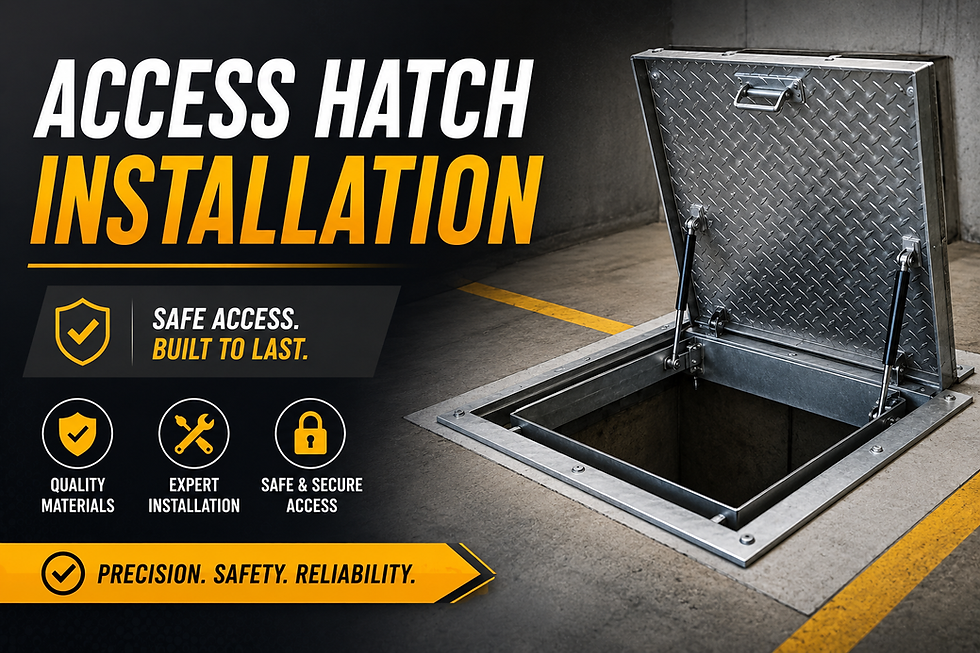
In this guide, you'll discover everything you need to know about installing a roof access hatch successfully. We'll cover the planning stages, tools required, step-by-step installation instructions, common mistakes to avoid, and maintenance tips to keep your hatch functioning perfectly for years. Whether you're considering a DIY approach or hiring a professional, this information will set you up for success.
What Is a Roof Access Hatch and How Does It Work?
A roof access hatch is essentially a door in your roof that provides safe, controlled entry to your rooftop area. It typically consists of a frame that sits within a roof opening and a lid that opens upward, allowing people to climb through from inside the building.
Types of Roof Access Hatches Available
You'll find several types on the market, each suited to different needs. Standard hinged hatches are the most common they're straightforward and cost-effective. Sliding hatches work well in tight spaces where a swinging lid isn't practical. For commercial properties, you might consider automatic hatches with motorised opening mechanisms.
Insulated hatches are brilliant for climate control, keeping your building cooler in summer and warmer in winter. Fire-rated options provide additional safety in commercial settings where fire compliance is mandatory.
Key Components of a Quality Roof Hatch
A well-made roof access hatch includes a sturdy frame (usually aluminium or galvanised steel), weather seals to prevent water ingress, secure locking mechanisms, and proper insulation. Quality hatches also feature gas struts or spring assists to make opening easier and safer.
Planning Your Roof Access Hatch Installation
Proper planning prevents poor performance this old saying definitely applies here. Rushing into installation without adequate preparation is a recipe for problems.
How Do I Choose the Right Size Roof Access Hatch?
Size matters more than you might think. Australian standards require minimum opening dimensions for safe passage. Generally, a 600mm x 600mm opening is considered the minimum, but 900mm x 900mm provides much more comfortable access, especially if you're carrying tools or equipment.
Consider who'll be using the hatch and what they'll be carrying. Will maintenance workers need to transport bulky items? If so, go larger. Measure twice, order once.
Where Should a Roof Access Hatch Be Positioned?
Location affects both convenience and structural integrity. Position your hatch away from the roof's edges to reduce fall risks. You'll also want to avoid placing it directly above load-bearing walls where possible, as cutting through these areas requires additional structural support.
Think about what's below the hatch too. You'll need a safe ladder or stair access from inside the building.
Understanding Australian Building Codes and Safety Standards
Australian building codes set specific requirements for roof access. The Building Code of Australia (BCA) and relevant Australian Standards (like AS 1657 for fixed platforms and walkways) outline safety requirements including minimum hatch sizes, fall protection measures, and load ratings.
Your local council may have additional requirements, so always check before starting work.
Do I Need Council Approval for a Roof Access Hatch in Australia?
This is a question many people ask, and the answer depends on your location and circumstances. In most Australian states, minor alterations like installing a roof access hatch don't require development approval but there are exceptions.
If your property is heritage-listed, within a bushfire zone, or if the installation affects the building's structural integrity, you'll likely need council approval. Commercial buildings typically face stricter requirements than residential properties.
The safest approach? Contact your local council before starting. A quick phone call could save you from expensive rectification work later.
Essential Tools and Materials for Installation
Having the right gear before you start makes the job infinitely smoother. There's nothing worse than being halfway through a project and realising you're missing something crucial.
Safety Equipment You Cannot Skip
Working at heights and cutting through roofing materials demands proper safety gear. You'll need:
- Safety harness and anchor points
- Hard hat and safety glasses
- Work gloves
- Non-slip footwear
- Dust mask (essential when cutting)
- First aid kit nearby
Never compromise on safety equipment. Falls from roofs cause serious injuries every year in Australia.
Preparing Your Roof Structure
Beyond safety gear, gather your installation tools: measuring tape, chalk line, circular saw or jigsaw, drill with various bits, spirit level, sealant gun, and weatherproof flashing materials. Have your hatch manufacturer's installation instructions handy they often include specific requirements for their products.
Examine your roof structure beforehand. Identify rafters and trusses so you know where you can safely cut without compromising structural integrity.
Step-by-Step Roof Access Hatch Installation Guide
Now for the hands-on part. Follow these steps carefully for a successful installation.
Measuring and Marking the Opening
From inside your roof space, measure and mark your opening position. Use a chalk line for straight edges. Double-check measurements against your hatch frame dimensions remember to account for the frame itself, not just the opening size.
Transfer your markings to the roof exterior by drilling small pilot holes at each corner.
Cutting the Roof Opening Safely
This is where things get serious. Ensure someone knows you're working on the roof. Cut carefully along your marked lines, supporting the roof material as you go to prevent it falling and causing damage.
Remove any insulation and set it aside for replacement around the frame later.
Fitting the Frame and Securing the Hatch
Position your frame within the opening, checking it's level and square. Most manufacturers recommend specific fixing methods follow these precisely. Secure the frame to the roof structure using appropriate fasteners for your roof type.
Once the frame is solid, fit the hatch lid according to manufacturer instructions. Test the opening mechanism several times.
Weatherproofing and Sealing Techniques
Waterproofing is absolutely critical. Apply appropriate flashing around the entire frame perimeter, overlapping correctly to direct water away from the opening. Use quality sealant at all joints and around fixings.
Check the weather seals on the hatch lid and ensure they compress properly when closed.

Common Roof Access Hatch Installation Mistakes to Avoid
Learning from others' errors saves time, money, and frustration. Here are the big ones.
Poor Waterproofing and Flashing Errors
Inadequate waterproofing is the most common problem. Skimping on sealant, incorrect flashing overlaps, or using inappropriate materials leads to leaks that damage ceilings, insulation, and structural elements.
Ignoring Structural Considerations
Cutting through rafters or trusses without proper support weakens your roof structure. Always reinforce around the opening as required.
Non-Compliant Installations
Ignoring building codes might seem harmless until inspection time or when selling your property. Non-compliant work can require costly rectification.
Maintenance Tips to Extend Your Roof Hatch Lifespan
Regular maintenance keeps your hatch functioning properly for decades. Inspect seals and weatherstripping annually, replacing worn components promptly. Clean drainage channels around the frame to prevent water pooling. Lubricate hinges and locking mechanisms yearly. Check for rust on metal components and treat immediately.
How Long Does a Roof Access Hatch Installation Take?
A straightforward installation typically takes a competent DIYer 4-6 hours. Professionals often complete the job in 2-4 hours. Complex installations involving structural modifications take longer potentially a full day or more.
Getting Your Roof Access Hatch Installation Right the First Time
Installing a roof access hatch successfully comes down to thorough planning, proper tools, careful execution, and attention to weatherproofing. We've covered choosing the right size and location, understanding Australian building requirements, installation steps, and common pitfalls to sidestep.
Taking shortcuts might seem tempting, but they inevitably lead to bigger problems down the track. Water damage from poor sealing, structural issues from improper cutting, or compliance headaches from ignoring codes none of these are worth the short-term savings.


Comments