



Why You Should Consider Suspended Ceilings for Modern Interiors

Have you ever walked into a room and felt instantly impressed by how polished and put-together everything looked? What if I told you that the ceiling above your head might be the secret ingredient creating that effect? Are you tired of staring up at exposed pipes, tangled cables, or an outdated ceiling that lets in every sound from the room above?
Suspended ceilings have become a game-changer in contemporary interior design, and they're not just for dreary office buildings anymore. These versatile ceiling systems are making waves in Australian homes, offering a blend of practicality and style that traditional ceilings simply can't match. From sleek apartments in Sydney to sprawling family homes in Melbourne, homeowners are discovering the transformative power of this clever design solution.
In this guide, we'll explore everything you need to know about suspended ceilings for modern interiors. You'll learn what they are, how they work, and why they've become so popular in residential spaces. We'll also break down the costs, compare them to traditional ceilings, and help you decide whether they're the right choice for your home. Plus, we'll tackle some common misconceptions that might be holding you back. Let's get stuck into it!
What Are Suspended Ceilings and How Do They Work?
Understanding the Basic Components
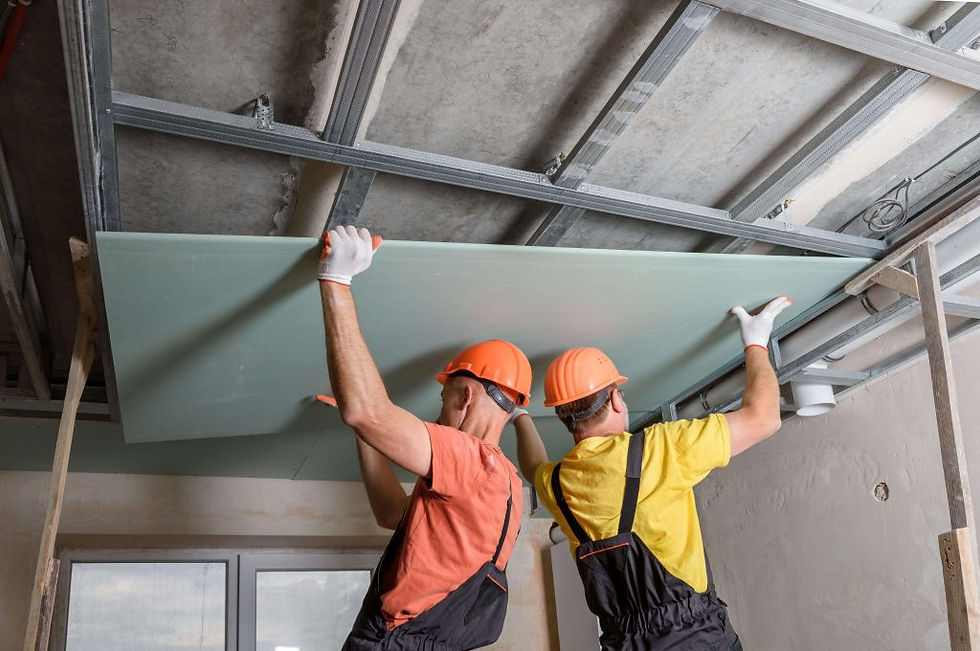
A suspended ceiling, also known as a drop ceiling or false ceiling, is essentially a secondary ceiling that hangs below the main structural ceiling. Think of it as a stylish blanket that covers up everything you'd rather not see. The system consists of a metal grid framework that attaches to the original ceiling using wires or hangers.
This grid holds individual ceiling panels or tiles in place. The panels simply rest on the framework, making them incredibly easy to lift out when you need access to the space above. It's a straightforward concept that delivers impressive results, hiding all those unsightly elements while creating a clean, finished look.
Different Types of Suspended Ceiling Systems
There's no one-size-fits-all approach here. You've got several options to choose from depending on your needs. Exposed grid systems show the metal framework, creating a more industrial aesthetic that works brilliantly in contemporary spaces. Concealed grid systems, on the other hand, hide the framework entirely for a seamless appearance.
Mineral fibre tiles are popular for their acoustic properties, while metal panels offer a sleek, modern vibe. For moisture-prone areas like bathrooms or kitchens, PVC or vinyl options resist humidity beautifully. The variety means you can find something that fits your style and budget perfectly.
Why Are Suspended Ceilings So Popular in Modern Homes?
The rising popularity of suspended ceilings in residential spaces comes down to one thing: they solve multiple problems at once. Australian homeowners are increasingly drawn to solutions that offer both form and function, and suspended ceilings tick both boxes brilliantly.
Modern living demands flexibility, and these ceiling systems deliver exactly that. Whether you're renovating a 1970s brick veneer or fitting out a brand-new build, suspended ceilings adapt to your requirements. They're particularly popular in open-plan living spaces where controlling sound and integrating lighting are top priorities.
What's more, they've shed their old reputation as boring office fixtures. Today's suspended ceiling options include stunning designs that rival any traditional ceiling finish. From timber-look panels to minimalist white tiles, there's something to complement every interior style imaginable.
Key Benefits of Installing Suspended Ceilings
Enhanced Acoustic Performance and Soundproofing
Living in close quarters with neighbours or family members? Suspended ceilings can dramatically improve your acoustic environment. The gap between the suspended system and the original ceiling creates a natural sound barrier. Many ceiling tiles are specifically designed to absorb sound, reducing echo and noise transfer between rooms.
This makes them ideal for home offices, media rooms, or bedrooms located beneath busy living spaces. You'll notice the difference immediately—conversations become clearer, and that annoying footstep noise from upstairs practically disappears.
Improved Thermal Insulation and Energy Efficiency
That air pocket created by your suspended ceiling isn't just good for sound—it's fantastic for temperature control too. The trapped air acts as insulation, helping keep your rooms cooler in summer and warmer in winter. For Australian homes battling extreme temperatures, this can make a real difference to comfort levels.
The insulation effect also means your heating and cooling systems don't have to work as hard. Over time, this translates to lower energy bills and a reduced environmental footprint. It's a win for your wallet and the planet.
Easy Access to Electrical Wiring and Plumbing
Here's where suspended ceilings really shine from a practical standpoint. Need to run new cables for that home theatre system? Simply lift out a panel, do the work, and pop it back in place. No cutting into plasterboard, no messy repairs, no expensive plasterers.
Electricians and plumbers love working with suspended ceilings because access is so straightforward. Future renovations become simpler and cheaper, giving you flexibility as your needs change over the years.
Concealing Unsightly Cables and Ductwork
Let's be honest—exposed pipes, ducting, and cable runs look terrible in most residential settings. Suspended ceilings provide the perfect hiding spot for all these necessary but unattractive elements. Air conditioning ducts, electrical wiring, plumbing pipes, and even structural beams disappear from view.
The result is a clean, polished interior that looks professionally finished. It's particularly valuable in older homes where retrofitted services can create visual chaos.

Are Suspended Ceilings Suitable for Residential Properties?
Absolutely! While suspended ceilings were traditionally associated with commercial buildings, they've evolved significantly. Modern systems are designed specifically for residential applications, with aesthetics that rival traditional ceiling finishes.
The key consideration is ceiling height. You'll lose between 100mm and 200mm of headroom, sometimes more depending on what you're concealing above. For homes with generous ceiling heights, this isn't an issue. However, rooms with already-low ceilings might feel cramped.
Australian building codes also come into play, particularly regarding fire ratings and minimum ceiling heights. A qualified installer will ensure your suspended ceiling meets all relevant standards while maximising the benefits for your specific space.
Design Flexibility: Transforming Your Interior Aesthetic
Material Options for Every Style
Gone are the days when suspended ceilings meant boring white tiles. Today's options include timber-look panels for warmth, metal tiles for contemporary edge, and even fabric-wrapped panels for luxury interiors. Textured surfaces add visual interest, while smooth finishes create sleek minimalism.
Colour choices extend well beyond white too. Greys, blacks, and even bold colours are available for those wanting to make a statement. You can mix and match materials within the same space, creating zones or highlighting specific areas.
Integrating Modern Lighting Solutions
Suspended ceilings and modern lighting are made for each other. Recessed downlights, LED panels, and strip lighting integrate seamlessly into the grid system. The cavity above the ceiling conceals all the wiring and transformers, leaving only sleek, flush-mounted fixtures visible.
Smart lighting systems are particularly easy to install, with room for dimmers, sensors, and control modules tucked away above the tiles. You can create layered lighting schemes that transform your space from bright and functional to moody and atmospheric at the touch of a button.
Suspended Ceilings vs Traditional Ceilings: Which Is Better?
Neither option is universally superior—it depends on your priorities. Traditional plasterboard ceilings offer a seamless appearance and work well in spaces with limited headroom. They're typically cheaper for straightforward new builds where no concealment is needed.
Suspended ceilings excel when you need to hide services, improve acoustics, or simplify future maintenance. They're often more cost-effective for renovations involving significant electrical or mechanical work. The choice comes down to your specific circumstances and what you value most.
Maintenance and Longevity: What to Expect
Suspended ceilings are remarkably low-maintenance. Occasional dusting and the odd wipe-down with a damp cloth keep most tiles looking fresh. Damaged panels can be individually replaced without disturbing surrounding tiles, making repairs simple and affordable.
With proper installation and reasonable care, suspended ceiling systems last decades. Metal grids are particularly durable, while tile longevity depends on the material chosen. Mineral fibre tiles typically last 15-20 years, while metal panels can last much longer.
Common Misconceptions About Suspended Ceilings
Many people dismiss suspended ceilings as ugly or institutional—but that perception is outdated. Modern options are genuinely attractive and work beautifully in residential settings. Another myth is that they're flimsy or easily damaged. Quality systems are robust and handle everyday life without problems.
Some worry about moisture issues, but appropriate tile selection addresses this concern. Moisture-resistant options perform excellently in bathrooms, laundries, and other humid areas across Australian homes.
Making the Right Choice for Your Space
Suspended ceilings offer a compelling combination of practicality and style for modern Australian homes. They solve real problems—hiding unsightly services, improving acoustics, and enhancing energy efficiency—while looking genuinely impressive.
The key is choosing the right system for your specific needs. Consider your ceiling height, aesthetic preferences, and practical requirements. Consult with experienced installers who can guide you through material options and ensure compliance with Australian building standards.
If you're renovating or building and want a ceiling solution that works as hard as it looks, suspended ceilings deserve serious consideration. They've come a long way from their corporate origins, and today's options might just transform your interior into something truly special.


Comments