



Heating and Cooling Systems in Australia: 2026 Types, Costs & Best Picks

Heating and cooling Systems are what turn an Australian house from the problem, to the solution – providing precision control of warmth, cool, and humidity for year-round comfort. With the number of options available to homeowners in 2026, from reverse-cycle split systems, ducted reverse-cycle, gas ducted heating with add-on cooling, evaporative coolers, hydronic heating, VRV, to name just a few – it can be hard to know which type is best suited for your budget and climate.
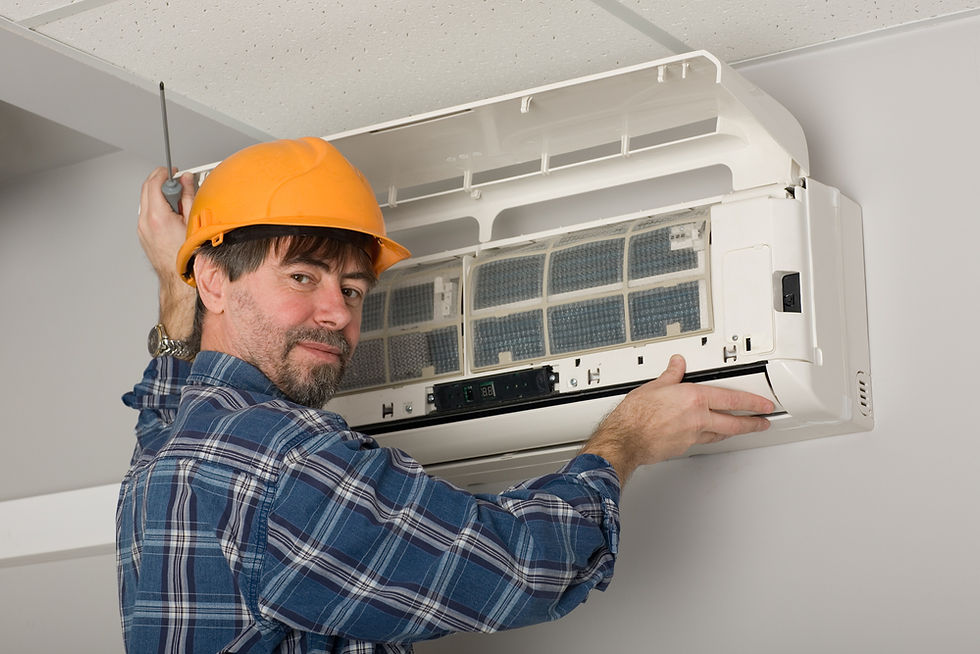
What Are the Different Types of Heating & Cooling? In Australia
Australia has six main types of heating and cooling systems, each of which are unique in their function and use: reverse cycle split systems (one outdoor unit per room or multi-head), ducted reverse cycle (entire house comfort delivered through ceiling vents), gas ducted with optional add-on cooling, evaporative coolers (roof mounted water-based cooling suitable for dry climates), hydronic (hot water flows through in-slab pipes or radiators), and VRV/VRF (single outdoor unit can manage multiple indoor units, ideal for larger homes and commercial buildings). Fuel type, cost, and the climate are important considerations when comparing options.
What Is the Cost of Installing Heating and Cooling?
As of 2026, it will cost from $700 to $2,500 per room for installed split system air conditioners, up to $15,000 for a ducted reverse-cycle air conditioning system. Gas ducted heating installed costs from $3,500 to $7,500, with cooling being an additional cost of $3,500 to $7,000. Evaporative air conditioning costs from $3,000 to $7,000, hydronic from $10,000 to $25,000, and VRV from $15,000 to $60,000+. Running costs can be from $150 a year for evaporative to more than $1,500 for whole of home gas ducted heating depending on setpoint, insulation, system type and tariff. Get an air conditioning quote specifically for your home from an accredited installer.
Which Heating and Cooling System Is Best for Each Australian Climate?
What system is best? Depends on your climate zone – are you preparing for a cold Melbourne, Canberra, Hobart, inland NSW and VIC winter? Gas ducted, reverse-cycle ducted, or hydronic will do the trick. Preparing for a hot dry summer in Perth, Adelaide and regional SA/VIC? Add an evaporative cooler to a reverse-cycle split for shoulder-season heating. Preparing for a summer of heat and humidity in Brisbane, coastal NSW and VIC, and Darwin? No choice but a reverse-cycle ducted or split. A single high-efficiency reverse-cycle split is perfect for an apartment or small place, while ducted reverse-cycle zoning (or multiple-head splits) is best for larger or two-storey homes.
How Does It All Work for Energy Star Heating & Cooling?
Energy efficiency matters in Australia. Gas appliances carry the AGA gas energy rating label with the more stars, the less gas they use; air conditioners carry the Zoned Energy Rating Label (ZERL), introduced in 2019, that rates heating and cooling efficiency of three climate zones so you buy one that's up to the task in your local climate. It would be smart to target a minimum 5-star ZERL rating on your next reverse-cycle purchase in 2026. Top-tier models currently offer a heat-pump COP of 4.0 or better, meaning they turn four kilowatt-hours of electricity into one kilowatt-hour of heat.
Which Government Rebates Are There for Heating and Cooling?
There are a number of Australian programs that make the cost of upgrading to a more efficient heater or cooler more affordable. Victorian Energy Upgrades (VEU) gives discounts on in-store high-efficiency reverse-cycle and gas heater upgrades. Small-scale Technology Certificates (STC) are a federal incentive that gives upfront discounts on eligible heat-pump and reverse-cycle products. The ACT Sustainable Household Scheme has interest-free loans up to $15,000, and the NSW Energy Savings Scheme offers discounts on high-efficiency upgrades. Eligibility depends on postcode, income and product efficiency - check with an accredited installer.
How Often Should Heating and Cooling Systems Be Serviced?
Fixed systems must be serviced at least once a year and serviced regularly. Reverse cycle systems - filter/clean or change filters every 1-3 months of heavy use, clear objects from outside units, and have a licensed technician check gas charge every 2-3 years. Gas ducted systems - serviced once a year with a carbon monoxide test. Failing to service will increase running costs between 10-25% and reduce system life. All refrigerant work is done by a licensed ARCtick technician. All electrical work by a licensed electrician. All gas work by a licensed gasfitter.
Frequently Asked Questions
What is the most suitable heating and cooling system for the Australian home?
For the majority of Australian homes by 2026, the most suitable heating and cooling system will be a reverse cycle split system, either high efficiency, single room, or ducted, whole home solution.
Is gas heating being discontinued in Australia?
Yes, Victoria will stop installing gas in new homes in 2024 and the ACT will require all new homes to be 'all-electric'. It is still legal to install gas-heated homes but they are encouraged to electrify with rebates.
Is it more expensive to operate a reverse-cycle system than it is to heat with gas?
Yes, in the majority of Australian states in 2026. As gas prices continue to rise and the electricity grid becomes powered by more renewables, reverse-cycle systems will be the cheaper choice for most households.
How much does it cost to operate heating & cooling in Australia?
Operating costs per year can range from approximately $150 for evaporative cooling up to over $1,500 per year for whole-of-home gas ducted heating, depending on the type of system, setpoint, insulation and tariff.


Comments