



Roofing Repairs Guide: Materials, Techniques, and Long-Lasting Results
Updated: Mar 3

Your roof is one of the most important structural elements of your home. It protects everything beneath it from harsh weather, temperature extremes, and environmental damage. Yet roofing issues are often overlooked until they become serious problems. Timely Roofing Repairs not only prevent costly damage but also extend the lifespan of your roof and maintain the value of your property.
In this comprehensive guide, we’ll explore everything you need to know about Roofing Repairs—from recognising early warning signs to choosing the right materials, understanding modern repair techniques, and ensuring results that last for years.
Why Roofing Repairs Should Never Be Delayed
Roof damage rarely fixes itself. Small cracks, loose tiles, or minor leaks can quickly develop into major structural issues if left unattended. Water intrusion, mould growth, insulation damage, and timber rot are all common consequences of delayed Roofing Repairs.
Addressing problems early allows homeowners to avoid expensive replacements and preserve the integrity of the roof. In most cases, professional Roofing Repairs are significantly more affordable than a full roof replacement.
Common Signs You Need Roofing Repairs
Broken, Missing, or Cracked Roofing Materials
One of the most obvious indicators that Roofing Repairs are needed is visible damage. Cracked tiles, loose metal sheets, or missing shingles expose your roof to water penetration and wind damage. Even small gaps can allow moisture to enter and spread beneath the surface.
Water Stains and Interior Leaks
Water stains on ceilings or walls often indicate roof leaks. These stains suggest that water has already bypassed your roofing system, making immediate Roofing Repairs essential. Left untreated, leaks can damage insulation, ceilings, and electrical systems.
Sagging Rooflines and Structural Issues
A sagging roofline is a serious warning sign. It may indicate water-damaged timber, weakened rafters, or long-term structural stress. In these cases, Roofing Repairs should be carried out by experienced professionals as soon as possible.
Blocked or Damaged Gutters
Gutters play a critical role in protecting your roof. Overflowing or damaged gutters can cause water to back up under roofing materials, leading to rot and corrosion. Gutter maintenance is an important part of comprehensive Roofing Repairs.
Understanding Roofing Materials and Repair Needs
Metal Roofing and Colorbond Repairs
Metal roofing, including Colorbond, is popular due to its durability and resistance to extreme weather. Roofing Repairs for metal roofs often involve sealing leaks, replacing fasteners, repairing flashing, and treating rusted areas. With proper care, metal roofs can last over 50 years.
Concrete and Terracotta Tile Repairs
Tile roofs are long-lasting but can crack or shift over time. Roofing Repairs typically involve replacing damaged tiles, rebedding ridge caps, and repointing mortar. Terracotta tiles, while highly durable, require careful handling during repairs.
Asphalt Shingle Roofing Repairs
Asphalt shingles are easier to repair but have a shorter lifespan. Common Roofing Repairs include replacing lifted shingles, sealing exposed nails, and addressing water intrusion around vents and chimneys.
Slate Roofing Repairs
Slate is one of the most durable roofing materials available, often lasting over a century. However, Roofing Repairs for slate roofs require specialist knowledge, as incorrect handling can cause additional damage.

Essential Roofing Repairs Techniques
Tile Replacement and Realignment
Replacing broken or displaced tiles is one of the most common Roofing Repairs. The process involves removing damaged tiles, inspecting the underlay, and installing replacements that match the existing roof.
Flashing Repairs and Replacement
Flashing protects joints around chimneys, skylights, and roof valleys. Over time, flashing can corrode or separate, leading to leaks. Roofing Repairs often include removing old flashing and installing new, weather-sealed materials.
Rebedding and Repointing Ridge Caps
Ridge caps are particularly vulnerable to wear. Rebedding involves replacing old mortar, while repointing adds a flexible sealant that adapts to temperature changes. These Roofing Repairs improve both durability and appearance.
Leak Detection and Sealing
Professional Roofing Repairs include identifying the true source of leaks, which may not be directly above visible water damage. Advanced techniques ensure leaks are sealed correctly and permanently.
DIY Roofing Repairs vs Professional Services
When DIY Roofing Repairs Are Suitable
Minor tasks such as clearing gutters, replacing a single tile, or removing debris can sometimes be handled by homeowners. However, safety is critical, and DIY Roofing Repairs should only be attempted when risks are minimal.
Why Professional Roofing Repairs Are Worth It
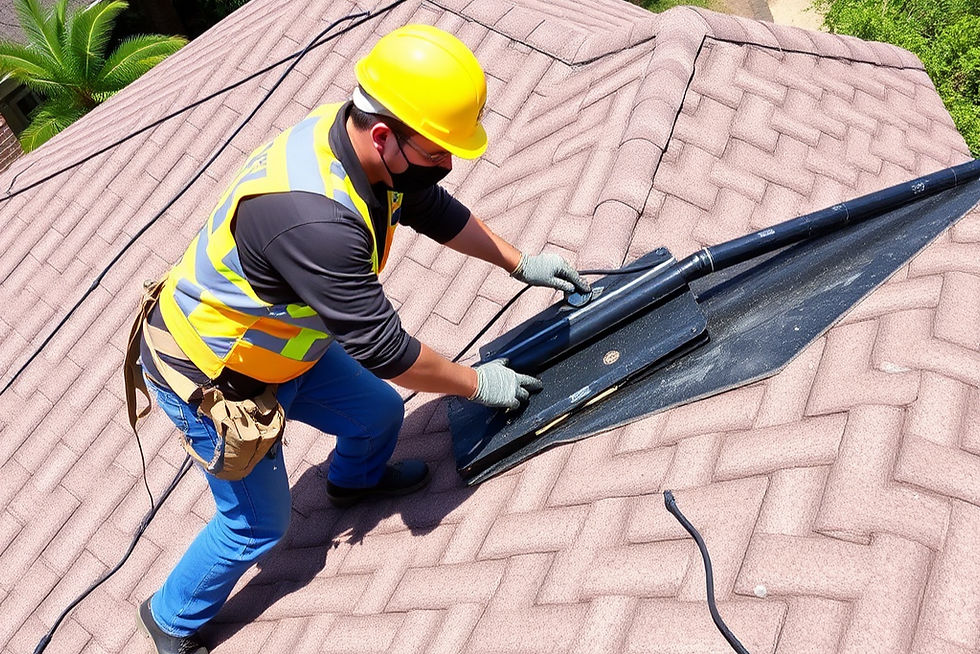
Professional roofers bring experience, safety equipment, and technical expertise. They can identify hidden issues and ensure Roofing Repairs meet industry standards. Licensed professionals also provide warranties, giving homeowners peace of mind.
Attempting complex Roofing Repairs without training can lead to further damage, void warranties, and increase long-term costs.
Making Roofing Repairs Last Longer
Choosing High-Quality Materials
The longevity of Roofing Repairs depends heavily on the materials used. High-quality sealants, fixings, and roofing components withstand weather extremes and reduce the likelihood of future repairs.
Regular Roof Inspections
Preventative maintenance is one of the most effective Roofing Repairs strategies. Regular inspections help detect minor issues before they escalate. Older roofs or homes in storm-prone areas benefit from annual inspections.
Weatherproofing and Maintenance
Simple maintenance tasks—such as cleaning gutters, trimming overhanging branches, and checking for loose materials—support long-term Roofing Repairs results and reduce wear.
Insurance and Roofing Repairs
Are Roofing Repairs Covered by Insurance?
Insurance often covers Roofing Repairs caused by storms, falling trees, or sudden events. General wear and tear is typically excluded. Documenting damage and acting quickly improves the chances of a successful claim.
How Often Should Roofing Repairs Be Checked?
Most professionals recommend roof inspections every two years, or annually for older roofs. After severe weather, additional inspections help identify damage early and reduce the need for major Roofing Repairs later.
Long-Term Benefits of Timely Roofing Repairs
Extended roof lifespan
Reduced risk of structural damage
Improved energy efficiency
Better property value
Lower long-term maintenance costs
Investing in Roofing Repairs today prevents expensive issues tomorrow.
Final Thoughts
Your roof is your home’s first line of defence against the elements. Ignoring minor damage can lead to serious and costly consequences. With the right materials, proven techniques, and professional support, Roofing Repairs can restore strength, safety, and performance for years to come.
Whether you’re dealing with cracked tiles, persistent leaks, or ageing materials, proactive Roofing Repairs protect both your home and your investment. Regular inspections, quality workmanship, and timely action ensure your roof continues to do its job—quietly and reliably—above everything that matters most.


Comments